
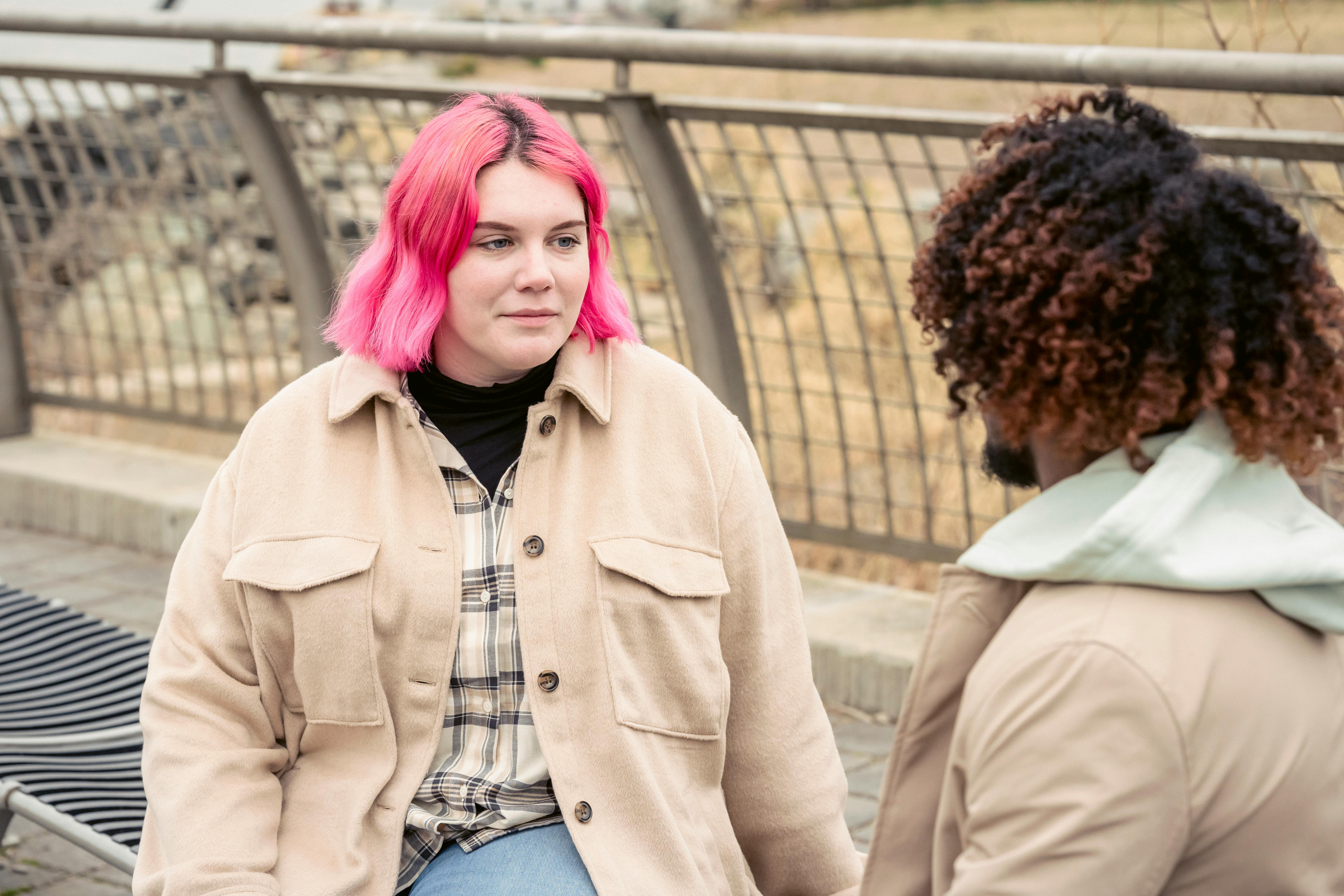
Conversation starters are helpful because blank-screen energy is real. The problem starts when a useful prompt turns into a performance. If you sound like you are reading from a list, the chat can feel less confident, not more.
The goal is not to hide that you came prepared. The goal is to use prompts like training wheels: lightly, naturally, and only until the conversation has momentum of its own.
Choose a Prompt That Matches the Current Energy
The biggest mistake is using the "best" prompt instead of the right prompt. If the chat is brand new, use something easy. If the other person is playful, choose something lighter. If the tone already feels calm and open, a slightly more thoughtful question may work.
A prompt is not good in the abstract. It is good for the current moment. That is why the Conversation Starters page is organized by situation rather than by random list length.
Deliver It Like a Person, Not a Prompt Library
Small framing makes a huge difference. Compare these:
- Scripted: "What fictional world would you visit for one day?"
- Natural: "Random question, but what fictional world would actually be fun for one day?"
The second version sounds more like a live conversation because it has some texture around it. You do not need a monologue. One tiny human cue is enough.
React Before You Ask the Next One
This is the rule that separates a conversation from a questionnaire. After the other person answers, respond to what they said. Add a quick thought, laugh, or observation. Then ask a follow-up that grows from their answer.
If every message is a fresh prompt, the other person starts feeling processed. If you react first, the prompt becomes an opening instead of a script. Better follow-up questions matter more than having twenty clever starters ready.
Trade Some Questions for Observations
Natural chat uses statements too. If someone says they love rainy days, you do not have to reply with another formal prompt immediately. You can say, "That actually sounds calming," or "That makes sense, rainy-day people usually have elite snack opinions." Observations reduce the interview feeling and make the conversation feel shared.